
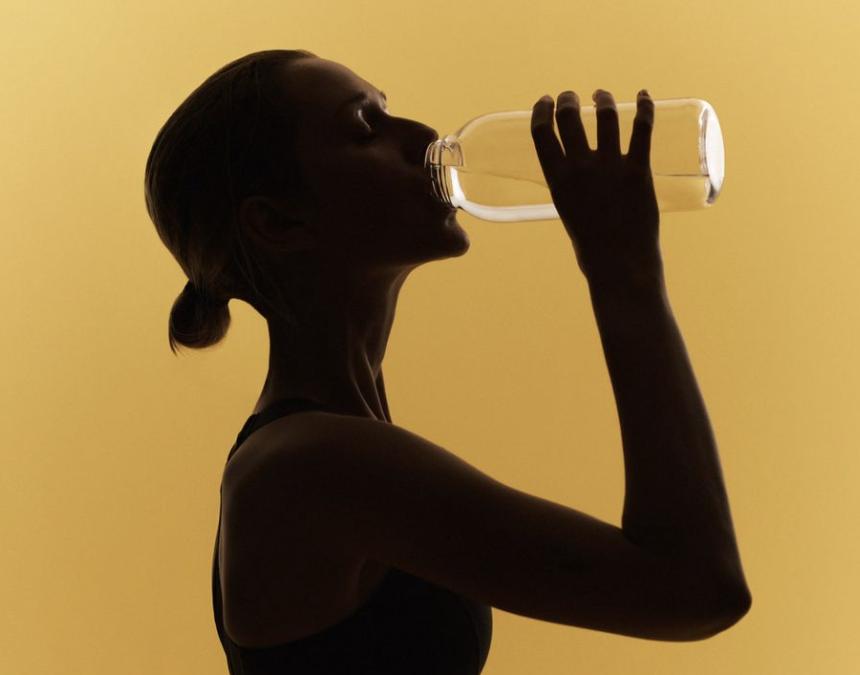
Meta description: Find out exactly how much water you need before, during, and after your workout and why your bottle matters more than you think.
In today’s world, sustainability has become an important consideration for many consumers. One simple yet impactful change is switching from single-use plastic bottles to reusable water bottles. This small decision can make a significant difference for both the environment and your daily lifestyle.
Staying hydrated during exercise sounds simple. Drink water, feel good, perform better. But most people either drink too little and wonder why they feel exhausted halfway through their workout, or they overthink it completely and end up with a bottle that leaks all over their gym bag.
The truth is, hydration during exercise is more nuanced than the classic “eight glasses a day” advice. Your needs change depending on how hard you train, how long your session lasts, and even the temperature of the room you’re working out in.
Why hydration matters more than you think
Your body is roughly 60% water. When you exercise, you sweat — and with that sweat goes not just water but electrolytes your muscles need to contract properly. Even a 2% drop in body water can reduce your physical performance noticeably. You feel it as fatigue, reduced coordination, and that heavy-legged feeling that makes the last kilometre of a run feel like ten.
For people who exercise regularly — whether that’s gym sessions, running, cycling, or yoga — staying on top of hydration is not optional. It is a basic part of performing and recovering well.
Before your workout
Start hydrating before you even put your trainers on. Aim to drink around 500ml of water in the two hours before your session. This gives your body time to absorb the fluid and means you are not starting already behind.
If you are heading to an early morning workout, this is especially important. You have just gone seven or eight hours without drinking anything. Your body needs water before it needs coffee.
During your workout
The general recommendation for moderate exercise is to drink around 150–250ml every 15–20 minutes. For higher intensity sessions or anything lasting more than 60 minutes, you may need more — and you may benefit from including electrolytes, either through a sports drink or electrolyte tablets added to your water.
A practical way to stay on track is to use a bottle with time markings. These bottles — like the HydroVerde 2L motivational bottle — mark your progress throughout the day so you are not guessing whether you have drunk enough. It sounds small, but having a visual reminder genuinely changes behaviour.
After your workout
Rehydration after exercise is just as important as during. A simple rule: for every kilogram of body weight you lose during a session (mostly through sweat), drink around 1.5 litres of water to fully rehydrate.
You do not need to weigh yourself obsessively. Just make sure you are drinking consistently in the hour or two after your workout, not waiting until you feel thirsty. Thirst is a late signal — by the time you feel it, you are already mildly dehydrated.
Why your bottle actually matters
Here is something most hydration guides skip: the bottle you use affects how much you drink.
A bottle that leaks goes straight to the bottom of your gym bag. A bottle that is hard to open mid-run stays closed. A bottle that is ugly gets left at home. These are not trivial concerns — they are the real friction points between knowing you should drink more and actually doing it.
A good sports water bottle should be leak-proof, easy to open with one hand, the right size for your bag, and ideally made from materials you feel good about using. Recycled stainless steel and BPA-free options are worth the small extra investment. You are using this thing every single day.
The bottom line
Drink 500ml before training. Drink 150–250ml every 15–20 minutes during. Rehydrate properly after. Use a bottle you actually like carrying.
Hydration is one of the simplest performance upgrades available to any athlete, at any level. You do not need a nutrition plan or a personal trainer to get it right. You just need to make it easy on yourself.